KPI

Branded searches

A branded search is a search query that includes a company's name, product name, or branded terms (e.g., "Nike running shoes" or "DashThis dashboard").

When we optimize our online presence, we want to know how many people are searching specifically for our brand. Here's everything you need to know about tracking branded searches and increasing brand visibility.

TRACK YOUR BRAND AWARENESS!

What are branded searches?

Branded searches include a company's name, product, or specific branded keywords, distinguishing them from non-branded search queries. These searches appear on search engine result pages (SERPs) when users look for a particular brand or its offerings, typically indicating high user intent and familiarity with the brand. Branded searches often increase organic search traffic, as users are likelier to click on results directly related to the brand they seek.

Monitoring and optimizing for branded searches while considering search intent can significantly impact a company's visibility and performance in SERPs. This approach and strategies for non-branded search queries ultimately drive more qualified leads and conversions.

backlinks

Branded search vs. non-branded search

Understanding the difference between branded and non-branded search is essential for building a complete SEO strategy. Both types of queries drive organic traffic, but they reflect very different stages of the buyer journey and require different optimization approaches.

A branded search contains your company name, product name, or a brand-specific term — for example, "DashThis pricing," "Nike Air Max," or "HubSpot CRM tutorial." The user already knows who you are and is looking specifically for you. A non-branded search, on the other hand, is a generic query with no specific brand attached, for example, "marketing reporting tool," "best running shoes," or "CRM software for small business." Here, the user has a need but hasn't decided on a brand yet.

How to calculate branded searches

First, to calculate branded searches, identify your branded keywords, including your company name, product names, and branded slogans or taglines. Use SEO tools like Google Analytics, Google Search Console, or SEO platforms like SEMrush or Ahrefs to gather data. Set up tracking by creating segments for branded keywords and setting appropriate date ranges for analysis. Collect data on total search volume, click-through rates, and impressions. 

Branded searches KPI examples & templates

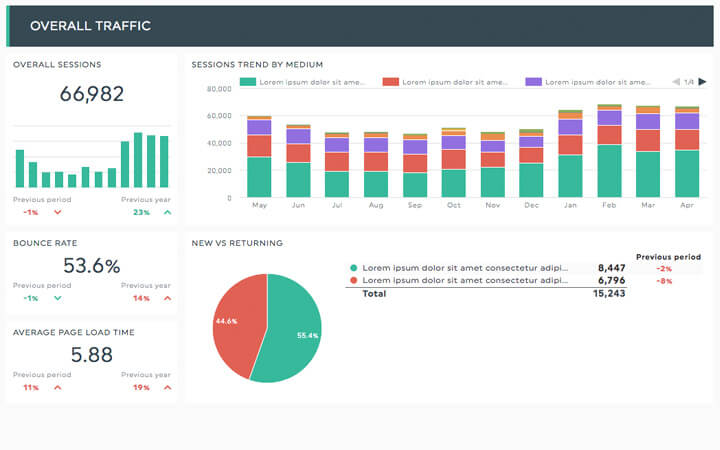
Your SEO metrics can be added to multiple different types of reports. Here are some of them:

See this KPI in action here!

SEO report template SEO report template

A report with all the key metrics for your SEO strategy, you can track your Google Search Console, Moz, Ahrefs, or SEMrush data alongside Google Analytics or any other SEO tool. Track your keyword research strategies, search engine results pages, and analytics data.

See this template live

Google Analytics report template Google Analytics report template
Track all your webpage data, from referral traffic, organic traffic, guest post-performance, and more. 

See this template live

Digital marketing report template Digital marketing report template

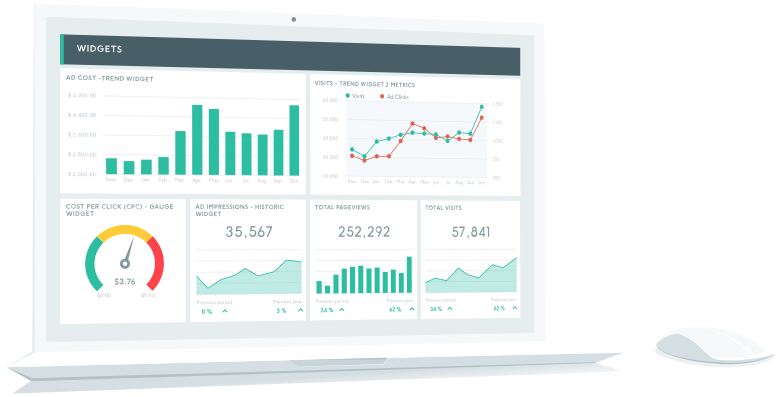
From SEO to social media and PPC, this report provides a comprehensive view of your online marketing strategy metrics and overall online performance.

See this template live

Get 10 free dashboards for 15 days

TRY DASHTHIS TODAY

Branded searches best practices

To achieve branded searches, here are some of the best practices you should keep in mind:

Conversion rate best practices

step 1 icon Consistent brand messaging

Maintain a cohesive brand identity across all marketing channels, including your homepage and content marketing efforts. This involves using consistent logos, slogans, and tone of voice in all communications to reinforce your own brand. Ensure a seamless user experience that aligns with your brand identity, making it more likely for your target audience to search for your brand specifically.

step 2 icon Monitor and optimize branded keywords

Track your branded search terms and their performance regularly, incorporating them into your keyword research strategy. Optimize your website and content for these keywords to ensure you capture the maximum organic traffic from branded searches. This includes creating targeted landing pages for popular branded queries and implementing link-building tactics to boost website traffic.

step 3 icon Integrate online and offline marketing efforts

Align your digital marketing with traditional advertising campaigns. Ensure that offline marketing initiatives (e.g., TV ads, billboards, print media) prominently include your brand name, encouraging viewers to search for your brand online. This integration can significantly boost branded search volume.

Want to track all your KPIs in one easy-to-use dashboard?

Try dashthis free

Frequently asked questions about branded searches

What is a branded search?

A branded search is any search query that includes a specific brand name, product name, or branded term. For example, searching for "DashThis reports" or "Ahrefs keyword tool" are branded searches because they reference a known brand by name. They differ from non-branded (or generic) searches, which don't mention any specific company.

What is the difference between branded and non-branded search?

Branded searches include a company or product name and come from users who already know the brand. Non-branded searches are generic queries (e.g., "SEO reporting tool") from users who haven't yet settled on a brand. Branded searches typically have higher click-through rates and conversion rates, while non-branded searches are key for reaching new audiences.

Why are branded searches important for SEO?

Branded searches are a direct measure of brand awareness and audience loyalty. A growing volume of branded queries signals that your marketing efforts — whether from content, paid ads, social media, or word of mouth — are driving people to seek you out by name. They also tend to have higher organic CTR and lower bounce rates, which are positive signals for search engines.

How do I track branded searches in Google Search Console?

In Google Search Console, go to the Performance report, then filter queries by clicking "+ New"Query"Queries containing" and enter your brand name. This will isolate all search impressions and clicks coming from branded queries. You can then compare this data against total organic traffic to understand what share comes from branded vs. non-branded searches.

What causes branded search volume to drop?

A drop in branded search volume can indicate a decline in brand awareness, increased competition using your brand name in paid ads, a PR issue affecting brand perception, or simply seasonal fluctuation. It can also signal that a recent campaign failed to generate lasting recall. Monitoring branded search volume regularly in a reporting dashboard helps you catch these drops early and react quickly.

How can I increase my branded search volume?

Branded search volume grows when more people become aware of and remember your brand. Effective tactics include consistent content marketing, social media presence, influencer partnerships, PR campaigns, podcast appearances, and paid advertising. Offline campaigns (TV, events, OOH) that prominently feature your brand name also drive people to search for you online. The stronger your brand recognition, the more your branded search volume grows organically over time.

Resources about SEO

KPIs you may also like

Digital Marketing reporting dashboard

Get Started Today!

Try DashThis

Made in Canada

DashThis is a brand owned by Moment Zero inc

Copyright © 2011-2026